
MODERNIZING PAYMENTS INFRASTRUCTURE USING BOTTOMLINE IN A REGULATED BANKING ENVIRONMENT
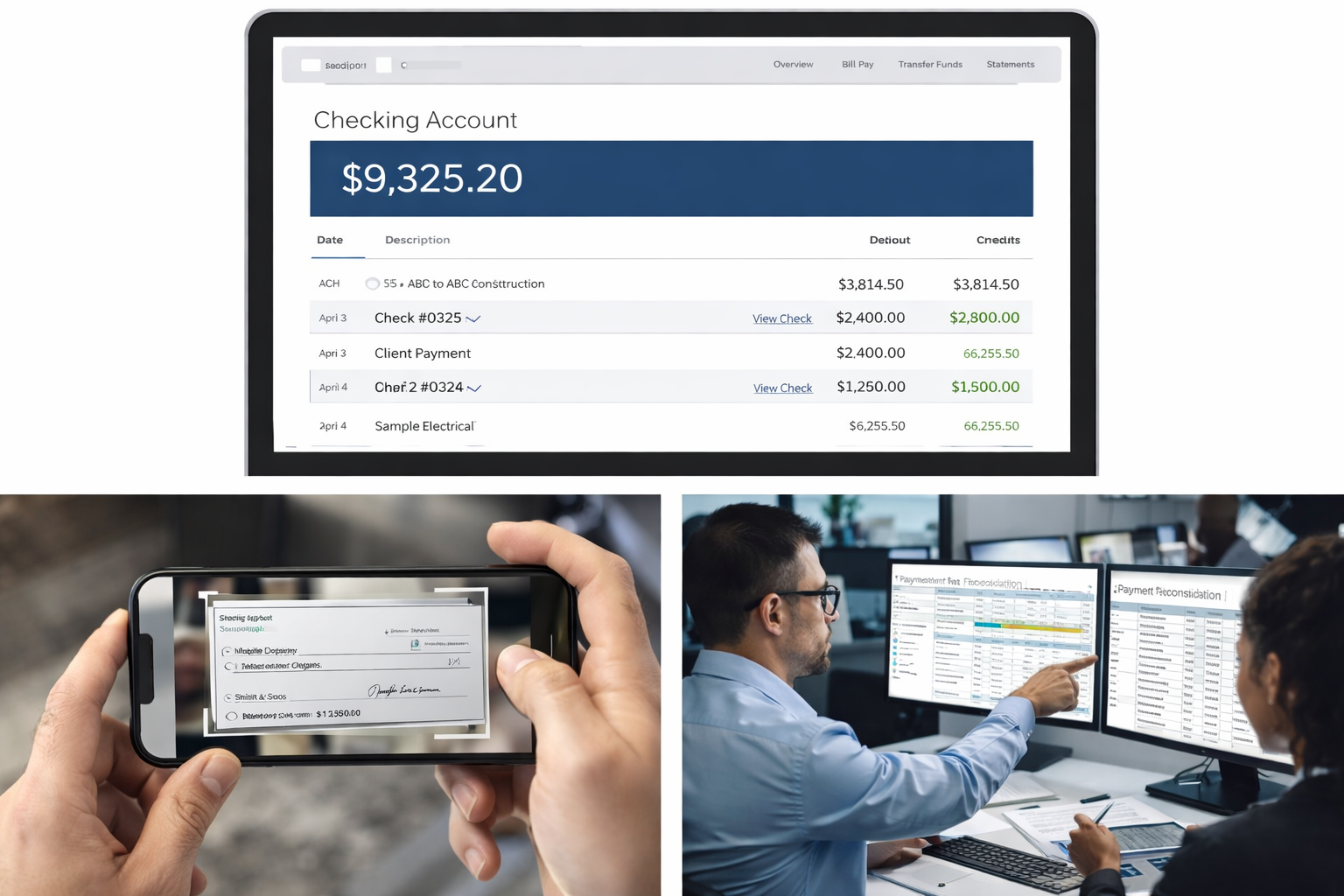
Behind major financial services products are systems that move money reliably, securely, and at scale. This case study reveals how Bottomline’s infrastructure played a pivotal role in transforming trust-banking payments from a fragile operation into a resilient platform — and how product leadership can elevate both technology and human outcomes.”
These systems enabled secure, high-value transactions, account servicing, and client trust operations across regulated financial environments—where reliability, auditability, and precision were not optional, but foundational.
Through thoughtful product strategy and platform leadership, the organization evolved from fragmented, manual payment workflows into a modernized digital banking experience that empowered operations teams, reduced risk, and improved customer confidence.
Product Leadership & Business Impact
Under Nicole Chernow-Martinez’s product leadership, First American Trust:
Expanded digital payment capabilities across trust accounts and client services
Reduced manual exception handling and operational friction
Improved transaction reliability and visibility
Enabled scalable growth without proportional increases in support staffing
By leveraging Bottomline’s payment rails and banking platform, Nicole led the introduction of automated workflows, proactive monitoring, and API-driven integrations layered on top of legacy systems.
This transformation shifted the organization from reactive payment operations to proactive platform-driven reliability—reducing downstream support costs while strengthening institutional trust with customers and banking partners.
More importantly, the system was designed so that:
customers did not need 24/7 human support to trust that their money was moving correctly — the platform itself became the first line of reliability.
Platform Philosophy
The long-term vision extended beyond transaction processing:
Treat payments as a platform capability, not a feature
Build proactive tooling to surface risk before customers experience failures
Enable modular integrations through standardized APIs
Reduce dependency on scarce engineering resources through better developer tooling
This philosophy directly informs Nicole’s current product leadership approach: building cloud-native, plug-and-play platforms that scale through architecture and automation — not human bottlenecks.
How Nicole Leads Teams to Solve Complex Platform Problems
User Personas, Needs & Pain Points
Trust operations specialists managing high-value transactions
Banking compliance and risk officers
Client services teams supporting institutional customers
End clients requiring accuracy, transparency, and confidence in payments
Primary pain points:
Manual reconciliation
Payment failures and delayed settlements
Limited transaction visibility
High operational cost per exception
Overreliance on engineering teams for integrations
Data Analytics Deep Dive
Payment failure rates
Exception volume
Processing latency
Support ticket categories
Transaction throughput
Operational cost per payment
Assumptions Tested
Automation would reduce risk
APIs could replace brittle manual workflows
Proactive monitoring would reduce customer-facing issues
Platform reliability would directly improve customer trust and retention
Validation of the Actual Problem
Root cause analysis revealed:
Fragmented payment orchestration
Lack of standardized integration contracts
Reactive operational tooling
Poor visibility into transaction health
Solution Definition / MVP
Bottomline-based payment orchestration layer
API-first integration model
Automated exception handling
Internal dashboards for transaction health
Alerting systems for proactive intervention
Designs & Areas of Improvement
Internal operations dashboards
Payment status visibility tools
Failure classification views
Risk and compliance reporting surfaces
Engineering & User Stories
API schema standardization
Transaction lifecycle tracking
Automated reconciliation services
Secure event-driven notification pipelines
Audit-ready logging systems
Data & KPI Measurement
Payment success rate
Average resolution time for exceptions
Support ticket volume
Operational cost per transaction
Platform uptime
Future Iterations
AI-assisted payment anomaly detection
Agent-based developer support for integrations
Schema-driven API composition (“mix & match” banking services)
Self-service integration tooling for partner banks
Automated validation of data contracts
Streamlined Onboarding
Potential Challenges
Regulatory changes
Partner bank integration variability
Legacy system dependencies
Security & compliance constraints
Data standardization across institutions
Executive Summary
This initiative transformed payments from a fragile operational dependency into a resilient platform capability.
By combining Bottomline’s infrastructure with modern product strategy, API design, and proactive tooling, the organization achieved:
Higher reliability
Lower operational cost
Increased customer confidence
Scalable growth
Reduced engineering dependency
This work continues to shape Nicole’s product philosophy today:
build platforms that scale through design, automation, and developer enablement — not headcount.
Specific technical diagrams, metrics, and implementation details available upon request in accordance with company confidentiality policies.